K in the Zoo Returns for Spring Break

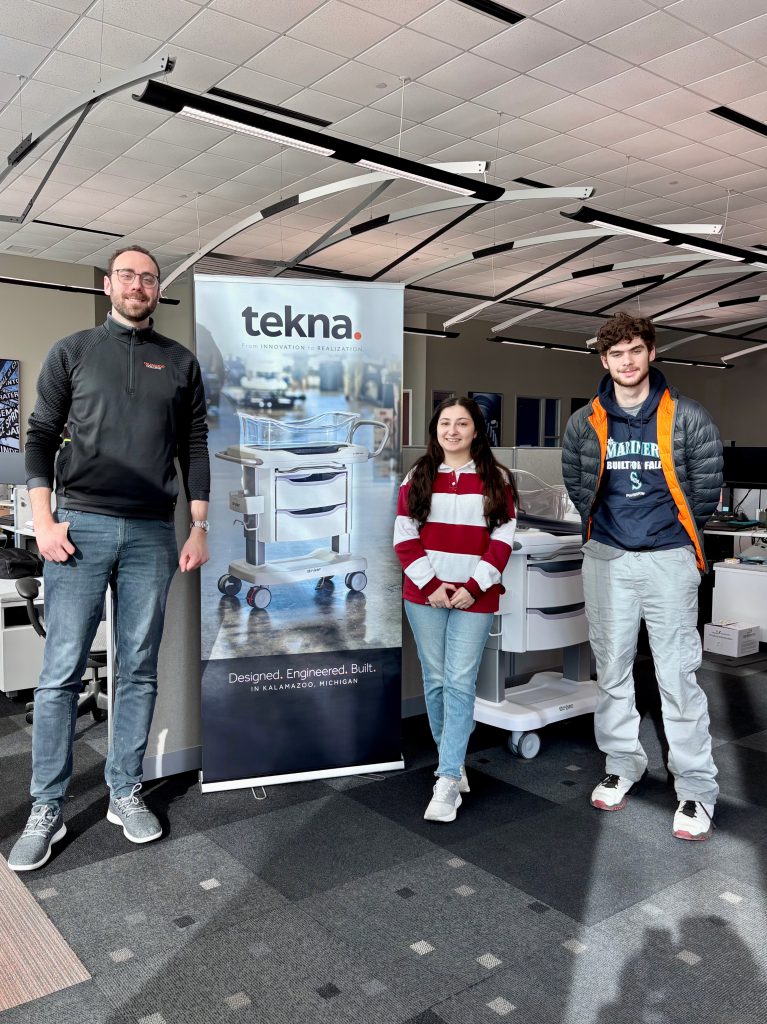
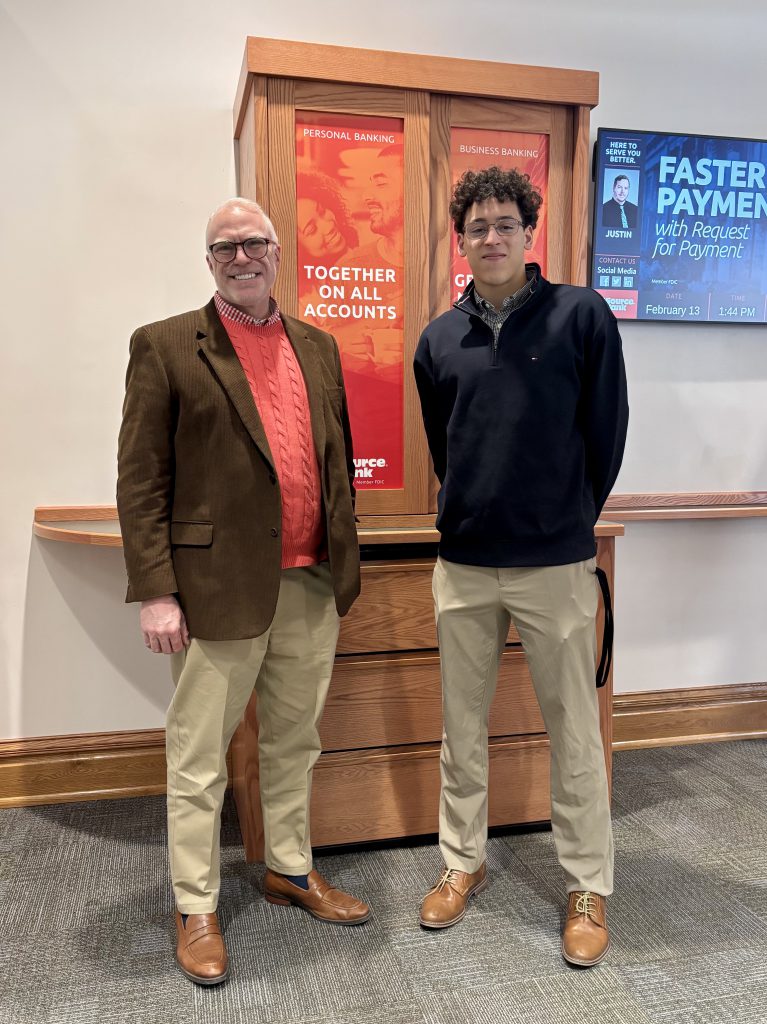
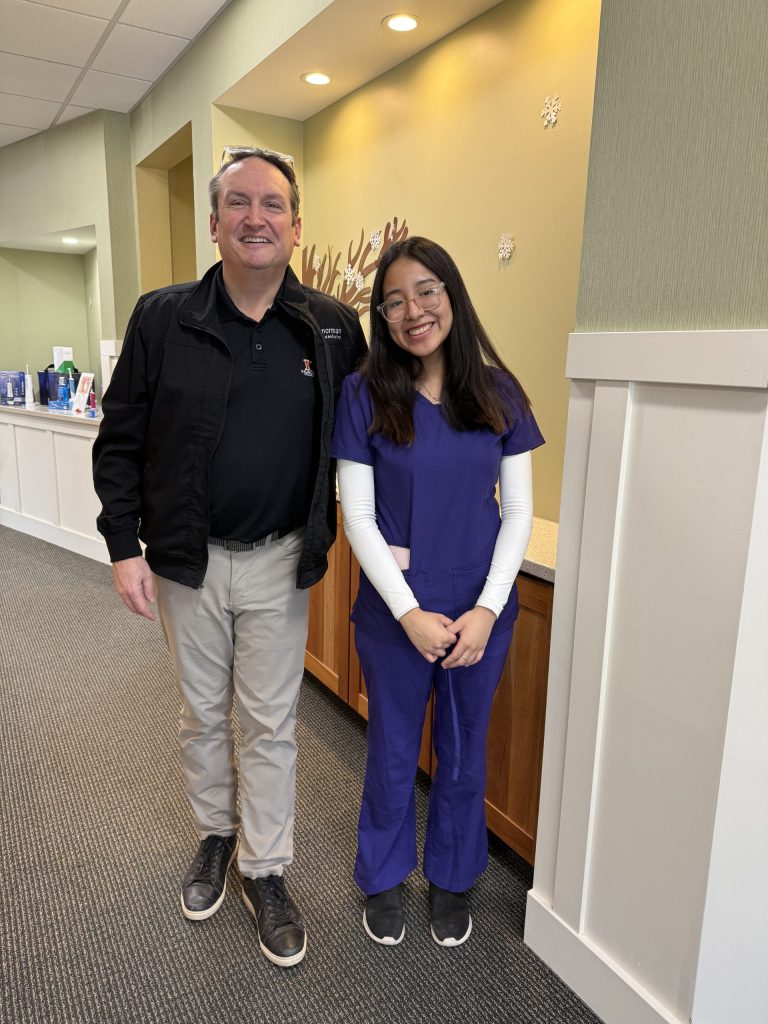
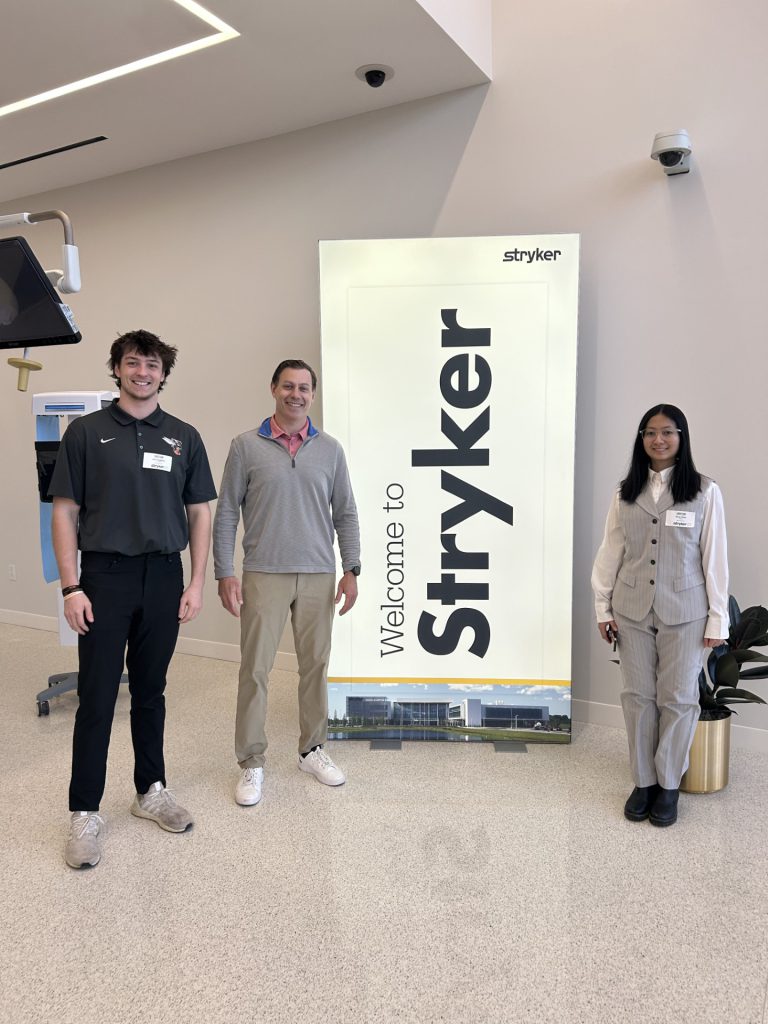
K in the Zoo is back this Spring Break with another round of short, high-impact job shadow opportunities for Kalamazoo College students.

Spring Break job shadows are meant to be easy. They are a chance to spend a day with a Kalamazoo College alum or local professional, see what their work actually looks like, and ask the kinds of questions you cannot always get answered in a classroom setting. You will mostly be observing, listening, and learning. It is a simple way to get a real feel for a career field without any pressure to already know what you are doing.

The program is open to all K students, and no experience is required. This year’s Spring Break hosts work in a wide range of fields, all right here in the Kalamazoo area. Learn more about the K in the Zoo program and apply now. Applications due Friday, February 27, 2026 (Week 8).

Employer Connection Fair Coming in Week 6

The Kalamazoo College Employer Connection Fair is coming up in Week 6, and we have some genuinely great employers attending.

This is a chance to explore career paths, ask real questions, and make connections with professionals right here on campus. Whether you already know what field you’re interested in or you’re still figuring it out, the Fair is a low pressure way to learn more about what different industries look like day to day. Students of every major are encouraged to attend.

We’re excited to welcome a wide range of employers, including:

  • Corewell Health, one of the largest nonprofit health systems in the state
  • Eurofins, a global leader in biotech and laboratory research
  • City Year and Michigan Education Corps, for students interested in education and youth service
  • Michigan Immigrant Rights Center, focused on immigration law and justice work
  • Mercantile Bank, a Michigan based commercial bank with business and finance opportunities
  • Fastenal, with early career pathways in operations and leadership
  • Greenleaf Hospitality Group, a major local employer in hospitality and guest experience
  • Taplin Group, doing hands on environmental and infrastructure work across the Midwest
  • Owen Ames Kimball, an employee owned construction management firm

Kalamazoo College Employer Connection Fair
Wednesday, February 11 (Week 6)
3 to 5 p.m.
Dewing Commons

If you want to feel more prepared before the Fair, Resume Week is happening this week in the Career Studio all next week. Stop by during drop in hours in Dewing 102 for personalized feedback on your resume, help preparing questions for employers, and support with anything related to career exploration.

Career Studio Drop In Hours
Monday through Friday, 11 a.m. to 2 p.m.
Wednesday and Thursday evenings, 5 p.m. to 7 p.m.
Snacks will be available all Week 5.

Inside a Legislative Office: A Summer at the Congress of the State of Hidalgo

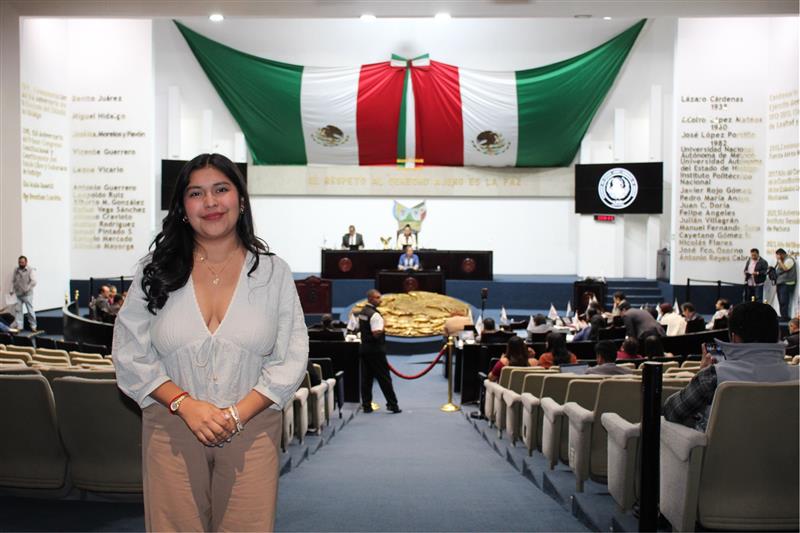
Working within the Congress of the State of Hidalgo in Mexico, this student spent the summer gaining firsthand experience with legislative processes and public service through a CCPD-supported internship*. By contributing to policy research, supporting community engagement, and observing congressional sessions, the experience strengthened communication skills and clarified a long-term commitment to advocacy and public leadership.

“This summer, I had the opportunity to intern at the Congress of the State of Hidalgo in Mexico. As a Political Science and Economics major, I was excited to witness how legislative work operates from the inside.

Throughout my time in Congress, I supported a variety of responsibilities, including drafting reports, assisting with policy research, coordinating logistics for community events, and attending congressional sessions. One of the most fulfilling parts of the experience was engaging directly with constituents during public visits and listening to their concerns. These moments reminded me that meaningful political work must begin with empathy and accountability.

This internship pushed me to grow both professionally and personally. I became more confident in my ability to communicate across different audiences. More than anything, I discovered how much I value work that is rooted in public service, collaboration, and long-term impact. It confirmed that I want a career where I can use my skills to advocate for others and contribute to real, structural change.

Receiving a stipend made it financially possible for me to pursue this opportunity without added concerns. I am also grateful for the guidance I received from the Center for Career and Professional Development throughout the application and reflection process. The reflection process especially encouraged me to think deeply about the path I want to take, not only at a professional level, but also at a personal one.

This internship not only deepened my commitment to public service but also gave me a clearer vision of the kind of leader I hope to become. I leave with a new sense of purpose and a deep appreciation for the power of politics to make a real difference.” – Alondra Danahe Montoya Martinez ’28

*Internship stipend applications are now open, learn more here.

Making Summer Internships Possible: CCPD Summer Internship Stipends

Each year, we talk with students who are excited about the idea of a summer internship but are unsure how to make it work financially if they cannot find a paid opportunity or are interested in fields where unpaid internships are common. Unpaid internships can offer meaningful professional experience, but they also require students to balance living expenses, transportation, and other financial responsibilities. For many students, especially first-generation students, those barriers can make internships feel out of reach.

That’s exactly why the Center for Career and Professional Development (CCPD) offers Summer Internship Stipends.

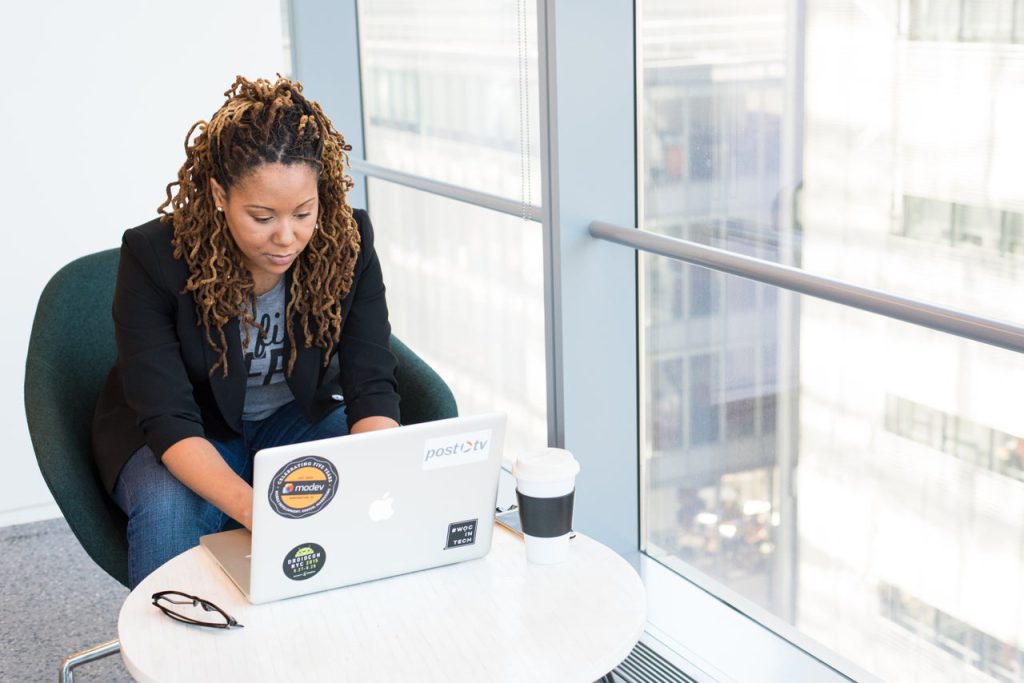
An African American woman sitting in front of a laptop. Image credit goes to WOCinTech @ nappy.co

Reducing Financial Barriers to Internships
Every summer, the CCPD awards a limited number of summer internship stipends, valued at up to $6,000, to support students completing unpaid internships that build career readiness and professional experience. The goal is simple: to ensure that financial constraints don’t prevent students from pursuing opportunities that align with their academic interests and career goals.

Internships continue to be one of the most impactful forms of experiential learning. Employers consistently identify internship experience as a top factor in hiring decisions, and students who complete internships often report greater clarity about their career direction and stronger confidence heading into the job search. Stipends help shift the focus away from “Can I afford to do this?” and toward “What will help me grow?”

What to know before applying
Applications for the 2026 Summer Internship Stipend opened during 2nd week, on January 13. To be eligible, students must have secured an unpaid internship prior to applying, and the internship must last a minimum of 240 hours. Stipend award amounts are determined based on internship location and demonstrated financial need. To learn more about our funding model and to see which tier you fall into, check out the internship stipend webpage. This year, there have been updates to the types of organizations considered for funding, so students are encouraged to review the Internship Stipend Common Questions before applying.

The application deadline is Friday 8th week, February 27. If you have questions about the stipend or need help writing your essay responses, drop by the Career Studio; no appointment required. Hours are Monday – Friday, 11 a.m.–2 p.m., and Wednesday and Thursday evenings, 5–7 p.m.

Summer internships shouldn’t be limited to students who can afford them. The CCPD Internship Stipend Program exists to help more students take advantage of these transformative experiences, and if you’re considering an unpaid internship this summer, we encourage you to explore whether a stipend could support you.

To apply for a stipend, click here.  

Finding Direction Through a Software Engineering Internship

During a CCPD-supported summer internship*, this student worked as a software intern at Entwicklerburg, gaining experience across both research-based tasks and hands-on development. By contributing to an internal tool built from scratch and reflecting on different types of technical work, the internship clarified which aspects of software engineering were most engaging and where to focus future learning.

“This summer I had the chance to intern at Entwicklerburg as a software intern. It was a really valuable experience that especially helped me understand more about the kind of work I enjoy and what I want to focus on in the future. 

At the beginning of the internship, I worked on a project that was mostly research based. My job was to collect information, compare different approaches, and share my findings with the team. It was interesting and helped me practice being organized and careful with details, but I realized it wasn’t the type of work that made me feel most excited or motivated. I was then able to switch to another project that focused on building an internal tool for the company. This internal tool was a calendar system from scratch. It lets workers schedule their vacation days, and it can be accessed from two sides: one for employees and one for managementThis project was much more practical and let me actually write code. I really enjoyed watching the tool improve step by step. 

Through this internship, I had a lot of insights. It is important being open to change and willing to try something new. It helped me improve my coding skills and that’s something I wanted to do starting this internship. Moreover, after working with full-stack development I realized I needed to deepen my knowledge in back-end and how it connects with front-end. 

I am very thankful to the CCPD for their support, which made this opportunity more meaningful.” – Nailia Narynbek Kyzy ’27

*Internship stipend applications are now open, learn more here.

Inside a Neuroscience Lab: A Summer at Washington University

Supported by a CCPD Summer Internship Stipend, this student spent the summer working in a neuroscience lab at Washington University in St. Louis, conducting behavioral assays on mouse pups to study genetic and neurodevelopmental disorders. Through hands-on research, data analysis, and collaboration within a lab setting, the experience offered insight into both the realities of scientific research and the kind of work environment they hope to pursue in the future.

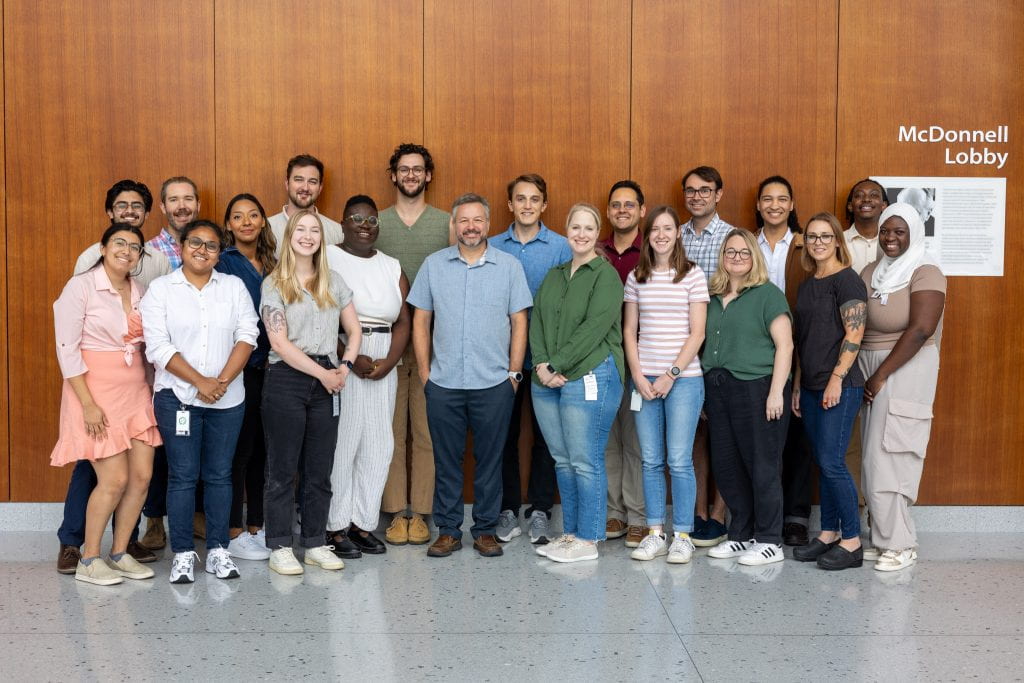
Carter Haley and Washington University staff

“Hi, my name is Carter Haley (far right), and this Summer I worked at Washington University in St. Louis in the lab of Joe Dougherty (middle). I was under the supervision of Susan “Suz” Maloney (not pictured) and Joshua Thope (not pictured), and I was primarily doing behavioral assays on mouse pups to study the effects of genetic and neurodevelopmental disorders.

I ran two studies. In the first study, I studied the neonatal communication alterations in mouse pups caused by Neurofibromatosis Type 1 (NF1). We recorded the ultrasonic sounds, aka ultrasonic vocalizations (USVs), in order to look at an Autism Spectrum Disorder phenotype found in humans with NF1. The second study focused on the neonatal motor assessment of mice with MYT1L syndrome. I performed a battery of tests on pups that were less than 1-2 weeks old to study a hypotonia phenotype, which is common in human patients with MYT1L syndrome. I was also responsible for genotyping, husbandry (taking care of mice), data analysis, reading papers, and presenting research findings, both mine and others.

During my time in the lab, I learned a lot about the pressures and responsibilities of working in a lab. I also learned a lot about myself and what my ideal work environment looks like. I am extremely grateful for the opportunity and the community that I built with the members of the lab.  I look forward to utilizing the skills I learned in this experience to inform the future lab I work in. I will never forget this experience.” – Carter Haley ’28

Connecting Food Systems and Public Health in Northern Michigan

This summer, with support from a CCPD Internship Stipend, a K student joined the Groundwork Center for Resilient Communities in Traverse City to work at the intersection of food systems and public health. From assisting with culinary medicine classes for cancer patients to promoting local food access initiatives, the internship provided hands-on experience in community-based health work and reinforced a growing interest in equity-driven public health careers.

“This summer, I had the opportunity to intern with Groundwork Center for Resilient Communities in Traverse City, Michigan, where I worked closely with the organization’s Food and Farming team. Groundwork focuses on creating healthy, sustainable, and equitable communities, and my work centered around the intersection of food systems, health, and community engagement. 

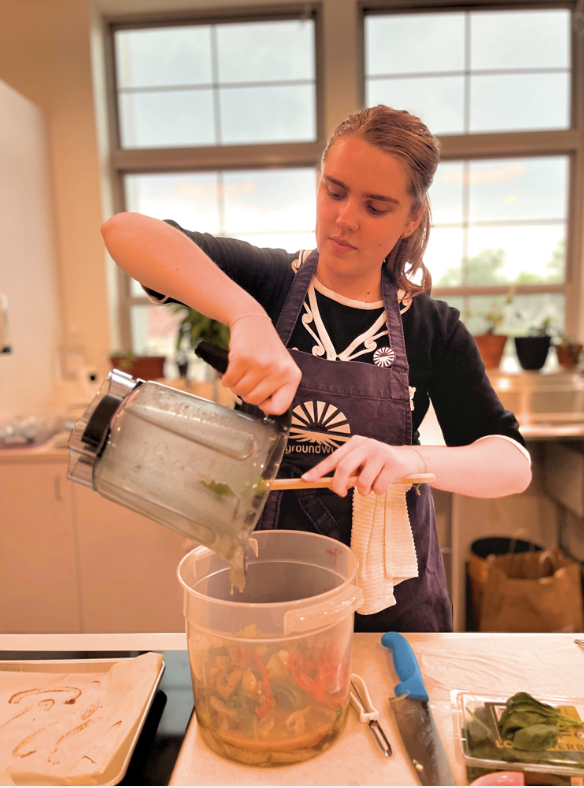
Amelie Sack - internship photo

One of the most meaningful parts of my internship was assisting in culinary medicine classes at the Esperance Teaching Kitchen in partnership with Munson’s Cowell Family Cancer Center. These classes introduced cancer patients and survivors to practical, plant-forward cooking skills as a tool for healing and well-being. In addition, I helped with community outreach projects like promoting local farmers markets, supporting programs such as Senior Project Fresh, and writing articles for the Traverse City Record-Eagle to highlight food access initiatives across northern Michigan. 

Through these experiences, I gained invaluable skills in public health communication, community engagement, and program development. I learned how to adapt nutrition education to different audiences, how partnerships strengthen public health initiatives, and how storytelling can inspire community change. Perhaps most importantly, I grew more confident in my ability to bridge my academic background in community and global health with real-world applications. 

This internship affirmed my passion for pursuing a career that combines public health, food systems, and social equity. It also deepened my commitment to working alongside communities to address barriers to health and well-being through collaborative and creative solutions. 

I am especially grateful for the support I received from Kalamazoo College’s CCPD and the internship stipend, which made it possible for me to fully immerse myself in this experience. Looking back, I can see how much this summer shaped my professional goals and helped me imagine new pathways forward in health and equity work.” – Amelie Sack ’27

Learning the Law from the Bench

With support from the CCPD Summer Internship Stipend, this student interned under Judge Curtis Bell in the 9th District Court. The internship combined legal research, writing, and courtroom observation, building confidence and confirming a growing interest in pursuing a legal career.

Eleanor Bernas '26 internship photo

“This summer, I worked as a judicial intern under Judge Curtis Bell in the 9th District Court civil trial division. Over the course of my internship, I handled a wide variety of projects and responsibilities. Most of them involved legal research on the elements of the cases at hand, and finding relevant information for Judge Bell. This necessitated gaining familiarity with the Westlaw database, which is needed during law school and beyond. These research projects also included writing memos outlining the answers from the research. This type of writing was new to me, but under the mentorship and feedback of Judge Bell, I not only gained confidence in this skill, but enjoyed the process. I also used my research to create presentations and other relevant writing projects. Another important piece of this internship was observation of courtroom proceedings. This helped me gaine valuable insights on the day-to-day life in the legal field. I learned a lot through this observation and especially the opportunity to ask questions after. By practicing legal research and writing, observing courtroom proceedings, and asking questions to Judge Bell, I grew my overall knowledge of the law and the legal profession. This experience strengthened my resolve to pursue a career in law, and has given me connections, resources, and skills that will be invaluable in this process. The skills I’ve gained have also given me confidence to take on new experiences, even if I don’t feel prepared at first.  

Without receiving a stipend from the CCPD, I would not have been able to experience this internship and all of the benefits that it’s provided me. Importantly, I was able to work 40 hours a week which allowed me to be entrusted with long-term projects and see them though until completion. I am also grateful for the opportunity to provide reflection essays to the CCPD, as these assignments let me reflect on the positive impact that this experience has had on me.” Eleanor Bernas ’26

An ongoing partnership growing in a new direction 

Over the last several years, the CCPD has built a strong partnership with the men’s football program, thanks in large part to the leadership and support of then Head Football Coach Jamie Zorbo. During that time, we collaborated on a range of workshops, everything from resume writing to job and internship searching, networking, and more. Since Coach Zorbo’s transition into the role of Athletics Director, that partnership has only continued to grow. 

This fall, the CCPD expanded our work with Athletics by launching a new workshop series called “The Athlete Advantage.” These sessions had two simple goals: to help student-athletes see the career value of skills they build every day in their sport (discipline, teamwork, resilience, leadership) and teach them how to communicate those strengths clearly on a resume. During the sessions, the athletes viewed a presentation explaining the link between their athletic skills and career readiness skills, then were given the opportunity to apply what they just learned by completing the new Basic Resume Module in our Career Connection Toolkit and practice translating their athletic experience into employer-ready language.  

Athletic skills are career readiness skills 

In 2014, the National Association of Colleges and Employers (NACE) conducted a large national study across industries and employer types to identify the most important career readiness competencies for early-career professionals. The result was a framework of eight competencies: career and self-development, communication, critical thinking, equity and inclusion, leadership, professionalism, teamwork, and technology. 

These competencies map closely to the skills athletes develop over years of practices, competitions, and team leadership roles. Discipline and resilience align with professionalism. Teamwork and leadership match two of the competencies outright. And qualities like adaptability, time management, and the ability to perform under pressure appear across multiple competency areas. 

Simply put: the skills that make strong athletes are the same skills employers are actively seeking. Our goal is to help students recognize that connection and feel confident about naming and demonstrating those strengths. 

Progress so far and where we’re headed 

This fall, the CCPD led three Athlete Advantage workshops, reaching 234 student-athletes across multiple teams. Our goal is to reach every student-athlete by the end of this academic year. 

Looking ahead, we will continue offering these workshops to incoming first-year athletes and expanding the resources available to teams and coaches. The focus remains the same: helping students understand the real-world value of their athletic experience and teaching them how to showcase those skills effectively on their resumes and in conversations with employers. 

100+ Conversations – “Not as intimidating as I thought”

During KConnect Week, more than 100 career conversations unfolded between Kalamazoo College students and alumni. In all, 106 meetings connected 59 students with 38 alumni across the country. For many students, these short, 20 minute Hornet Huddles offered something essential in the career development process: direct, candid access to someone who once sat exactly where they are now. Students described the experience as energizing and humanizing, noting that the conversations felt more like genuine mentorship than formal interviews. What surprised them most was how approachable the alumni were. One student summed it up simply: “Made me realize alumni are not that intimidating to talk to.”

For alumni, the impact went both ways. Many enjoyed hearing what current students are curious about, what challenges they are thinking through, and how their own career paths with all their pivots and surprises could offer reassurance. Several mentioned that the small group format allowed space for real conversation, even within a single 20 minute session. The topics covered a wide landscape: scientific research, law, public policy, marketing, finance, technology, education, communications, nonprofit leadership, and more. Alumni shared insights from government agencies, startup environments, hospitals, laboratories, courtrooms, schools, and global companies. Students used the time to explore majors, test assumptions, and ask practical questions about internships, first roles, identity in the workplace, and how to get started.

Many conversations also sparked a next step, whether that was an invitation to connect again on LinkedIn, an offer to review a resume, or a suggestion to reach out to someone else in the alum’s network. The ripple effects of a single meeting will continue long after KConnect Week. Hornet Huddles continue to show the strength of a career community built on real people and real conversations. Students benefit from seeing firsthand how K alumni build lives and careers after graduation. Alumni benefit from reconnecting with the campus community and supporting emerging professionals in fields they care deeply about.

As KConnect grows, so will the opportunities to make these conversations easy and accessible. The goal remains the same: to help students try things and talk to people, and to ensure that every Hornet has access to the guidance, perspective, and encouragement that comes from another Hornet saying, “I have been there. Let’s talk.”

For students and alumni alike, joining KConnect is an easy way to stay connected to this community year-round. You don’t need to participate in Hornet Huddles to take part. Students can explore alumni profiles and reach out for advice whenever they’re ready, and alumni can make themselves available for future conversations in whatever way fits their schedules. Anyone can get started at kzoo.alumnifire.com.